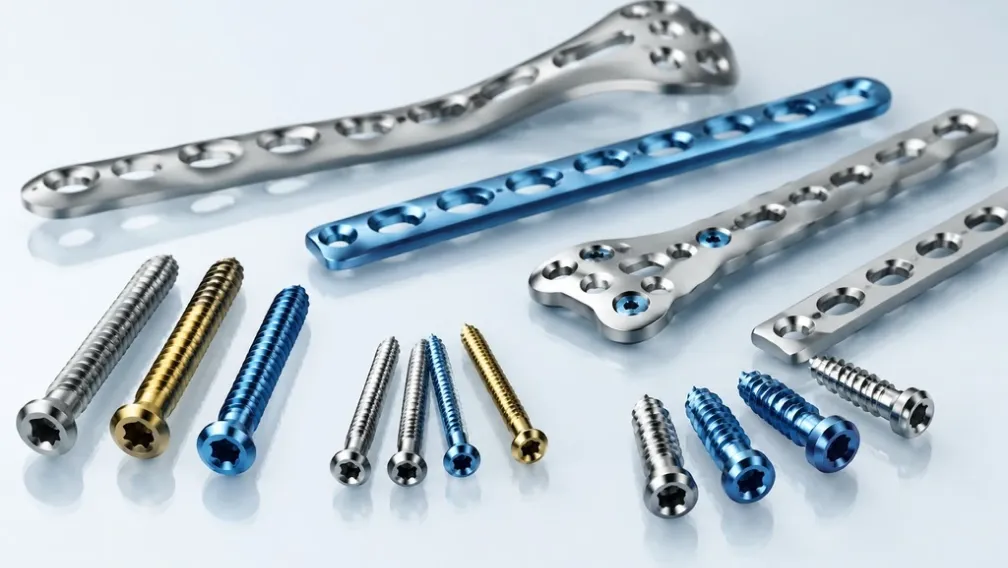
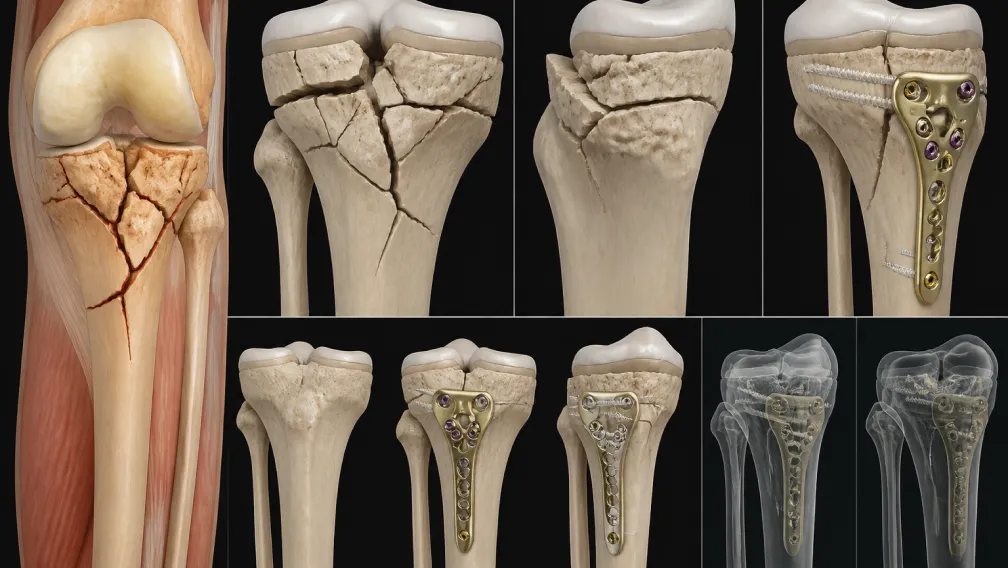
Fusion Orthopedics announced on 17 September the commercial debut of its FibFix™ Fibula Nail System at the American Orthopaedic Foot & Ankle Society (AOFAS) Annual Meeting in Seattle, with a wider trauma rollout scheduled for the Orthopaedic Trauma Association (OTA) Annual Meeting in Nashville on 23–26 September. The system targets unstable distal fibula fractures, entering a clinical space long dominated by open reduction and plate osteosynthesis. Coming alongside an AOFAS scientific symposium titled "Fibular Nails: Not Convinced Yet?", the launch highlights an intensifying debate across trauma surgery: whether minimally invasive intramedullary nails can displace established lateral and posterolateral plating in routine ankle fracture care.
The launch and device specifications
- Commercial introduction at AOFAS/IFFAS 2026 in Seattle (16–19 September), followed by the OTA Annual Meeting in Nashville (23–26 September).
- Designed specifically for distal fibular fractures, including Weber B and comminuted osteoporotic patterns prone to wound healing complications.
- Features multi-planar distal locking to secure the lateral malleolar fragment while preserving soft tissue coverage around the subcutaneous border of the fibula.
- Provides dedicated instrumentation for percutaneous guide wire passage, targeted reaming, and rigid syndesmotic screw or suture-button integration through the nail body.
- Expands Fusion Orthopedics' specialized extremity portfolio into high-volume trauma centers and outpatient ambulatory surgery centers (ASCs).
Management framed the FibFix system as a direct response to soft tissue vulnerability in ankle fractures. As active elderly and diabetic patient populations expand, open incisions over the thin lateral skin envelope carry non-trivial wound dehiscence and infection rates, creating clinical demand for percutaneous intramedullary alternatives.
The clinical controversy: nails versus plates
The AOFAS dedicated symposium highlights persistent division among foot and ankle specialists. Open plating remains the undisputed gold standard for anatomical articular restoration: direct vision allows precise rotational alignment, visual syndesmotic reduction, and rigid interfragmentary compression. However, prospective trials consistently demonstrate that in high-risk soft tissue envelopes, open exposure carries wound complication rates between 5% and 15%. Intramedullary fibular nails minimize soft tissue dissection and blood supply disruption, but critics cite technical challenges, including limited reduction visualization, difficulty capturing tiny comminuted avulsion fragments, and less forgiving syndesmosis clamping. For routine distal fibula fractures, most trauma programs continue to rely on proven foot and ankle plating systems, reserving intramedullary nails for compromised skin, severe diabetes, and open trauma.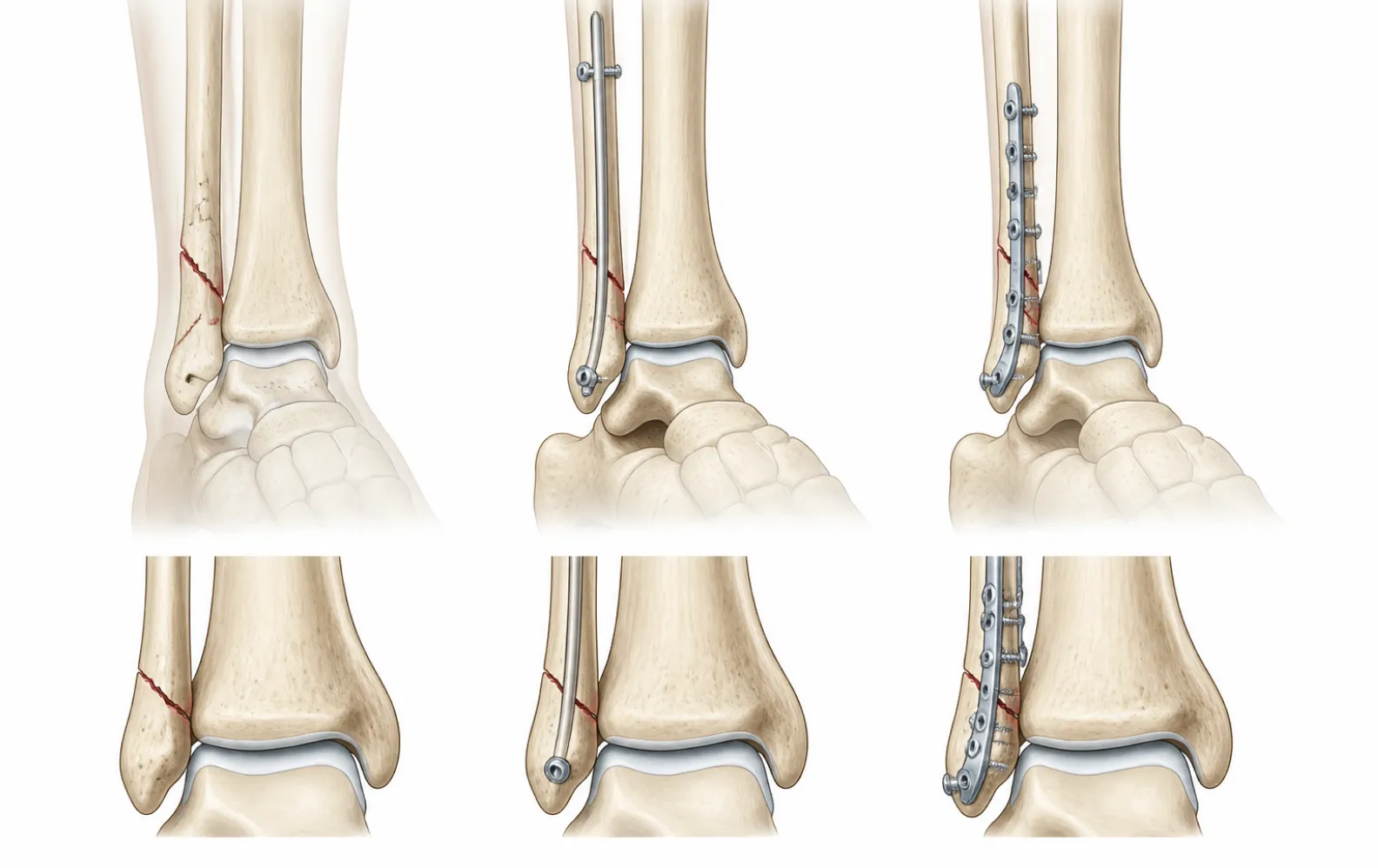
What this signals for trauma buyers
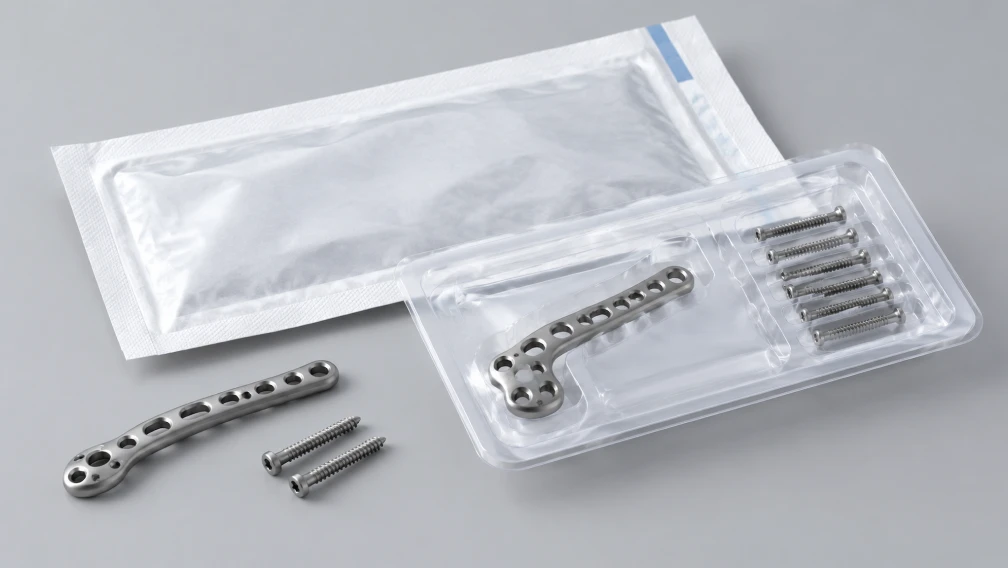
Three practical readings for hospital procurement and regional distributors. First, extremity trauma is shifting toward tissue-sparing options, but hardware standardization remains anchored to anatomical plates — hospitals are adding fibular nails as specialized adjuncts rather than replacing their primary distal lateral fibula plates. Second, syndesmotic fixation compatibility is the decisive engineering hurdle: purchasing teams evaluating new nail systems must verify that the nail accommodates standard 3.5mm trans-syndesmotic screws and flexible suture buttons without compromising nail strength. Third, trauma volume growth in ambulatory surgery centers demands complete, compact sterile trays; single-use instrumentation or streamlined reamer sets will determine which niche platforms achieve hospital formulary adoption.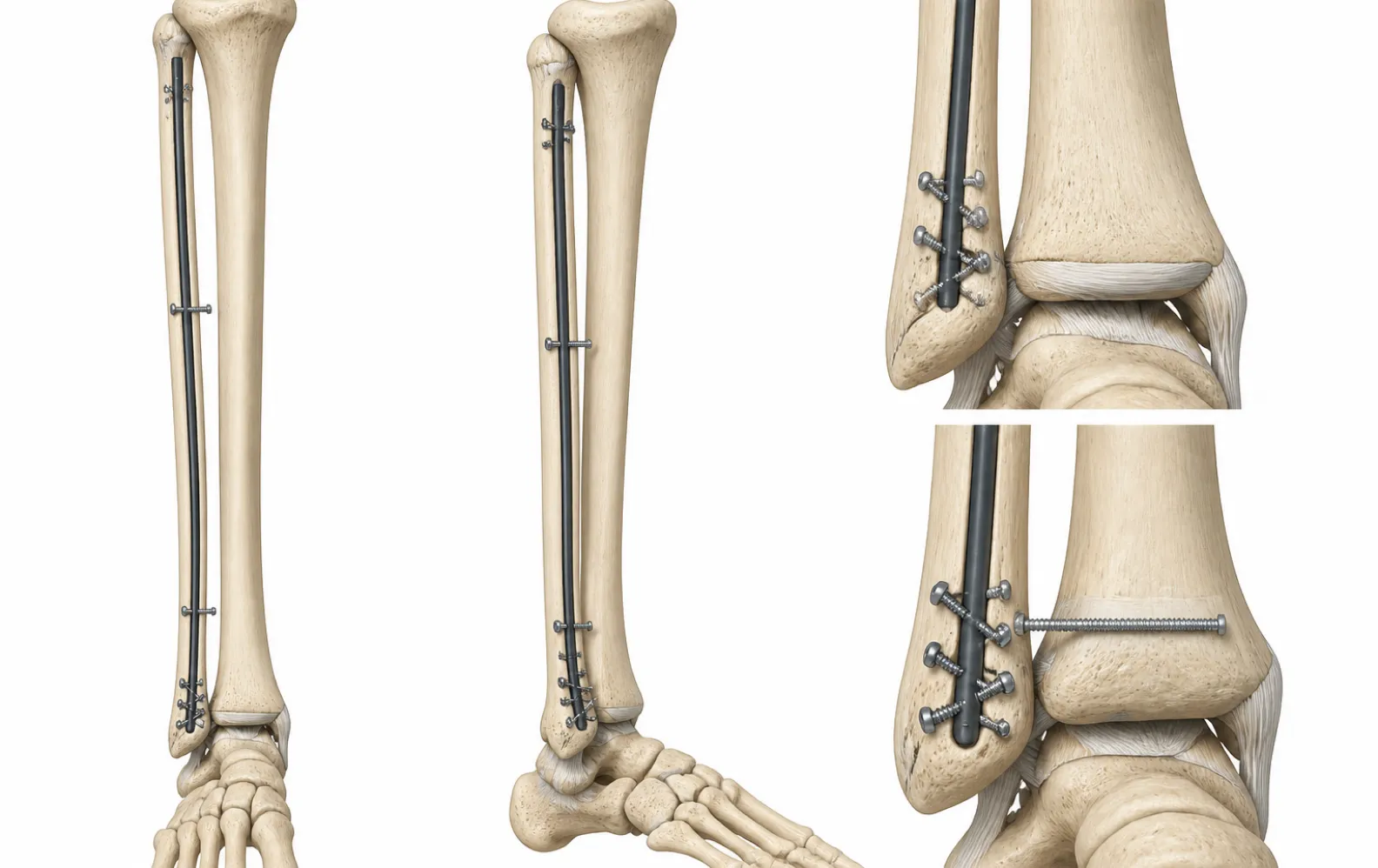
The BoneCraft angle
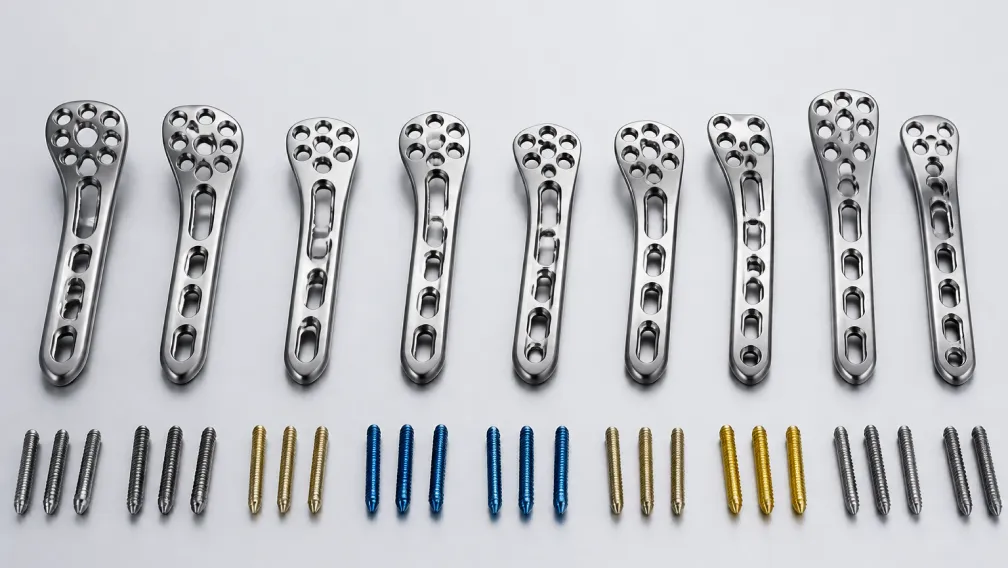
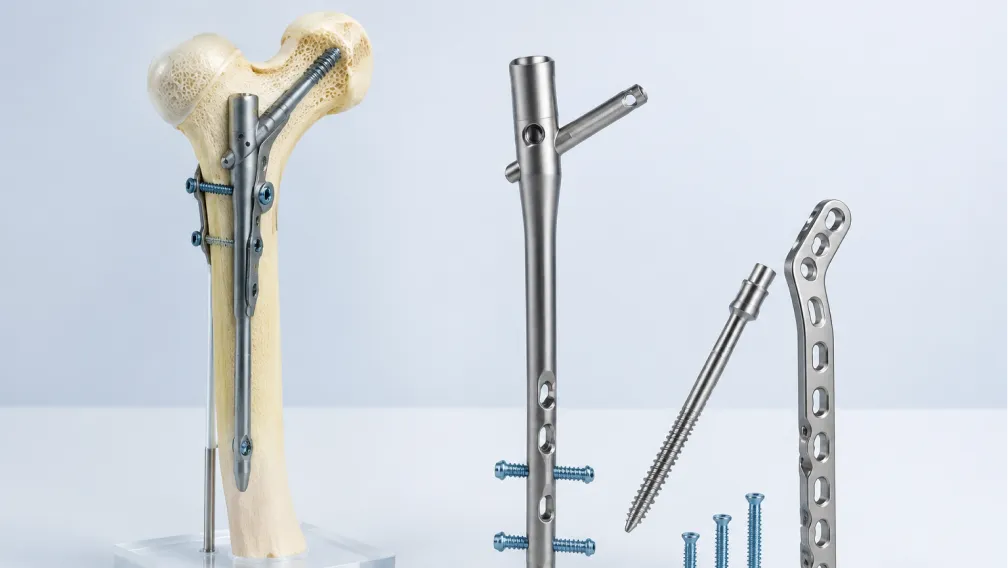
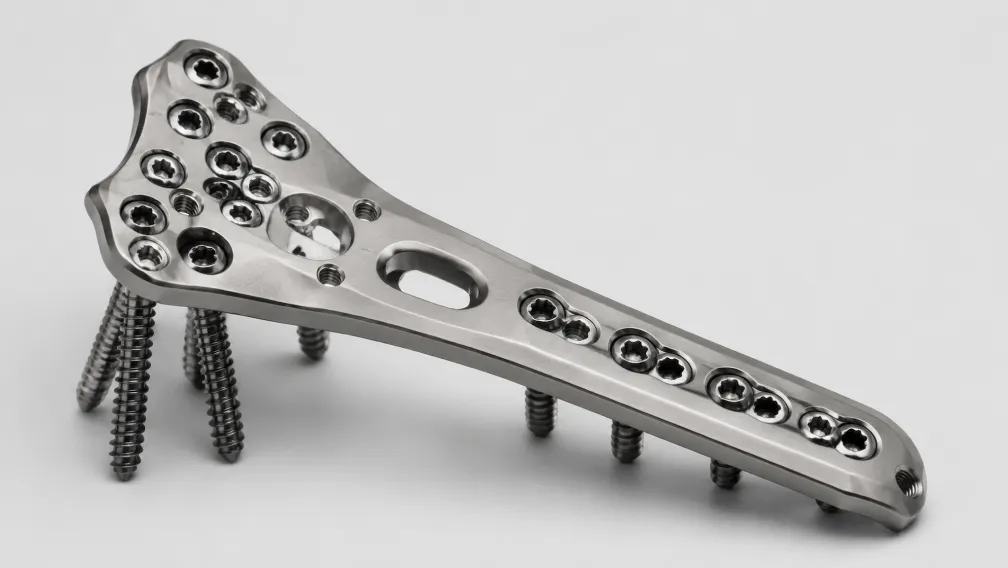
BoneCraft is an independent distributor of genuine orthopedic trauma implants. We closely monitor procedural shifts in extremity fixation because they dictate hospital tray usage and emergency replenishment cycles. While novel nailing platforms enter clinical evaluation, anatomic locking plates and posterolateral antiglide systems continue to carry the vast majority of ankle fracture volume worldwide. We maintain extensive, factory-sealed warehouse stock across complete foot and ankle plating families with full lot traceability. Contact our team for immediate inventory availability and volume schedules.
Sources
- BioSpace / Business Wire — Fusion Orthopedics Announces Launch of the NEW FibFix™ Fibula Nail System at AOFAS and OTA 2026, 17 September 2026
- Orthopaedic Trauma Association — OTA 2026 Annual Meeting Scientific Program, Nashville, 23–26 September 2026
- AOFAS / IFFAS 2026 Scientific Session Guide — Trauma Symposium: Fibular Nails Clinical Controversies
FibFix is a trademark of Fusion Orthopedics. BoneCraft is an independent distributor of genuine orthopedic trauma implants and is not affiliated with, sponsored by, or endorsed by Fusion Orthopedics, AOFAS, OTA, or any other organization mentioned.
-

BoneCraft Medical & Technical Editorial Team
Orthopedic Fixation Specialists
The BoneCraft Editorial Team comprises biomedical specialists and medical device supply chain experts. Dedicated to surgical transparency and technical precision, we publish insights on trauma plating, intramedullary fixation, and biomechanical implant performance. Our content synthesizes established surgical techniques, clinical literature, and exact specifications for genuine Zimmer Biomet orthopedic products to support global healthcare distributors and procurement teams.