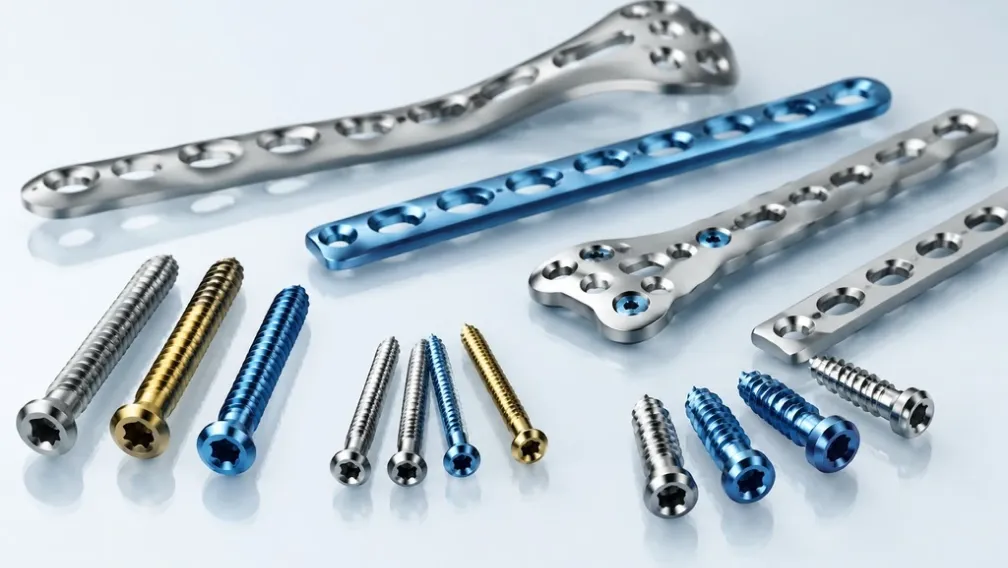
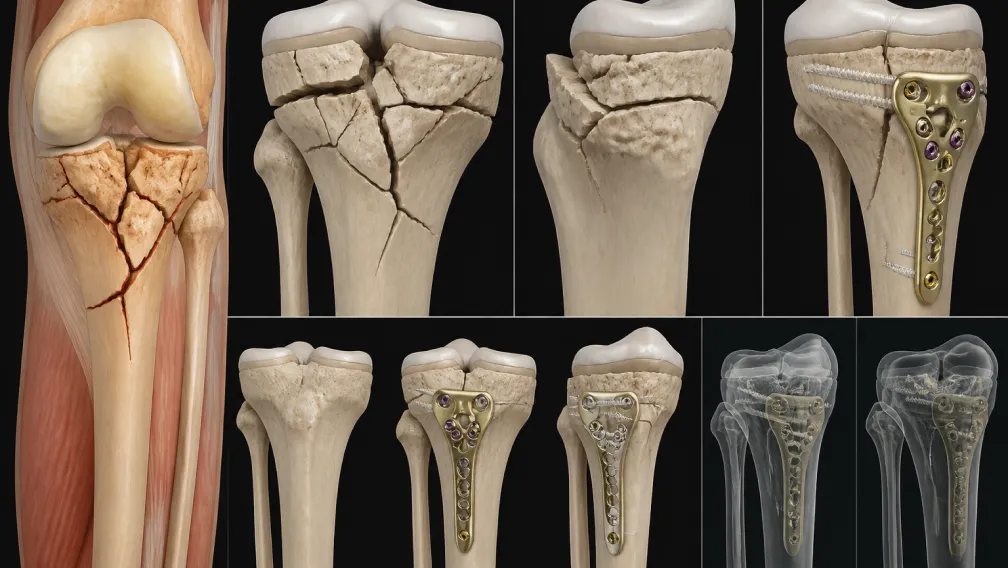
High-energy intra-articular fractures of the proximal tibia represent severe disruptions of both the articular weight-bearing surface and the metaphyseal-diaphyseal junction. Schatzker plateau fracture classifications IV through VI introduce profound mechanical instability, featuring bicondylar involvement, medial condylar displacement, and extensive metaphyseal comminution. Addressing these complex patterns requires internal fixation hardware engineered to neutralize intense axial, coronal, and sagittal forces. Historically, friction-based conventional plates struggled to maintain articular elevation in osteoporotic or heavily comminuted bone, frequently leading to varus collapse and secondary loss of reduction. The evolution of the orthopedic locking plate shifted the surgical paradigm from absolute stability reliant on bone compression to relative stability utilizing a fixed-angle extramedullary scaffold.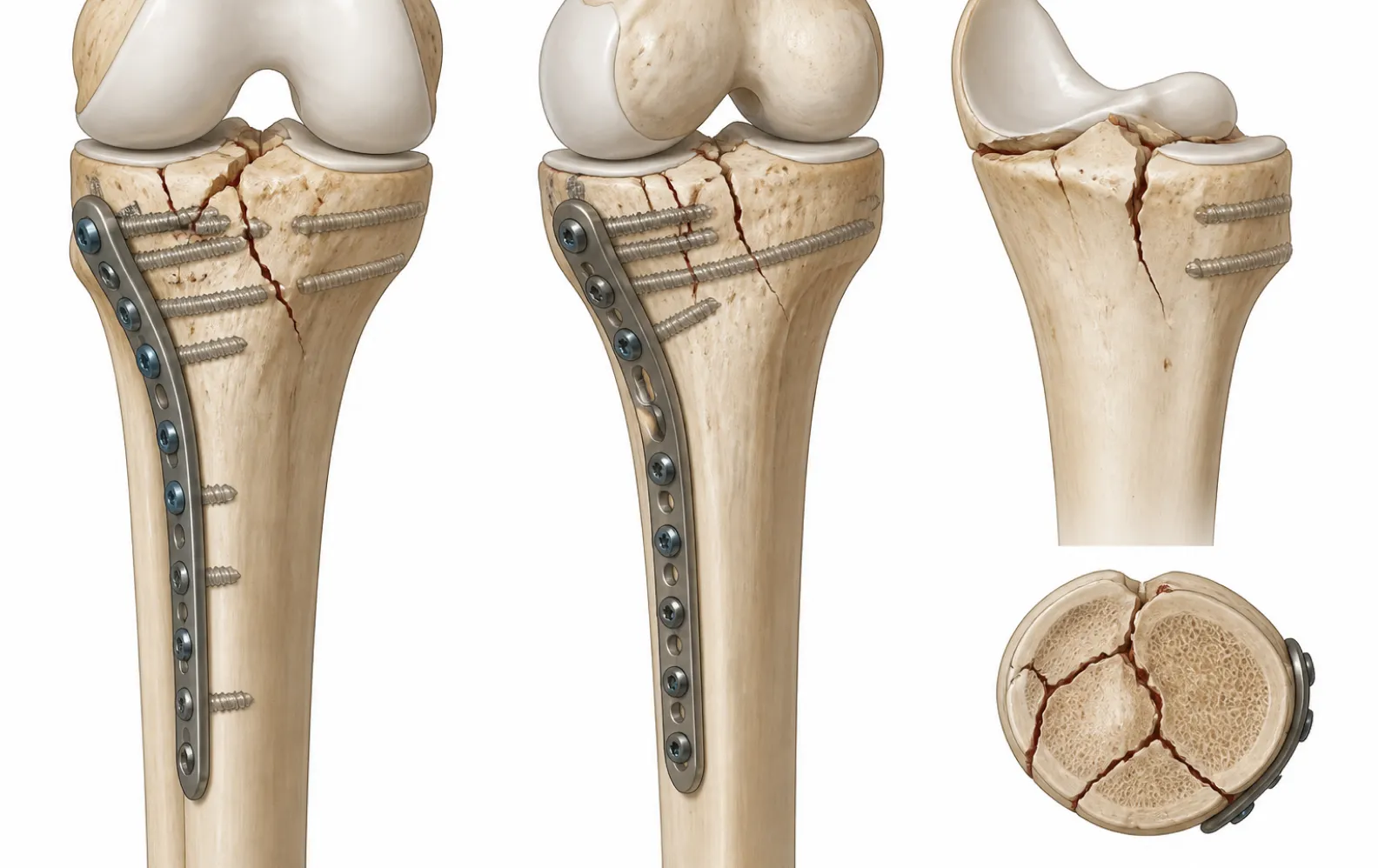
Schatzker Fracture Patterns and Lateral Plating Mechanics
The Schatzker classification dictates the mechanical requirements of the surgical construct. Type IV fractures involve the medial plateau, conventionally requiring a medial buttress approach. Type V indicates a bicondylar fracture maintaining metaphyseal continuity, while Type VI represents complete diaphyseal-metaphyseal dissociation. In high-energy Type V and VI patterns, the structural integrity of both the medial and lateral columns is compromised. Surgical intervention must restore the articular surface, rebuild the metaphyseal void, and re-establish the mechanical axis of the lower limb.
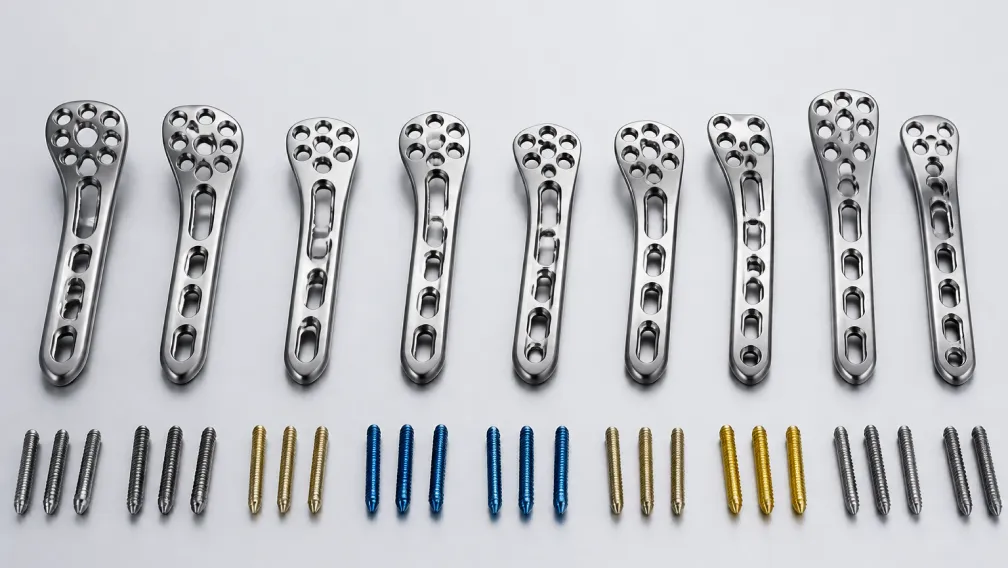
Modern periarticular plate profiles are anatomically pre-contoured to match the lateral condyle's distinct sweep. By matching the bony anatomy digitally via laser scanning, these plates function as reduction templates. More importantly, advanced lateral systems feature locking trajectories that reach deep into the medial condyle. This trans-condylar reach allows a single proximal lateral tibial locking plate to capture the medial plateau fragment via bicortical screw placement, frequently eliminating the morbidity and devascularization associated with an additional medial incision and medial plate application.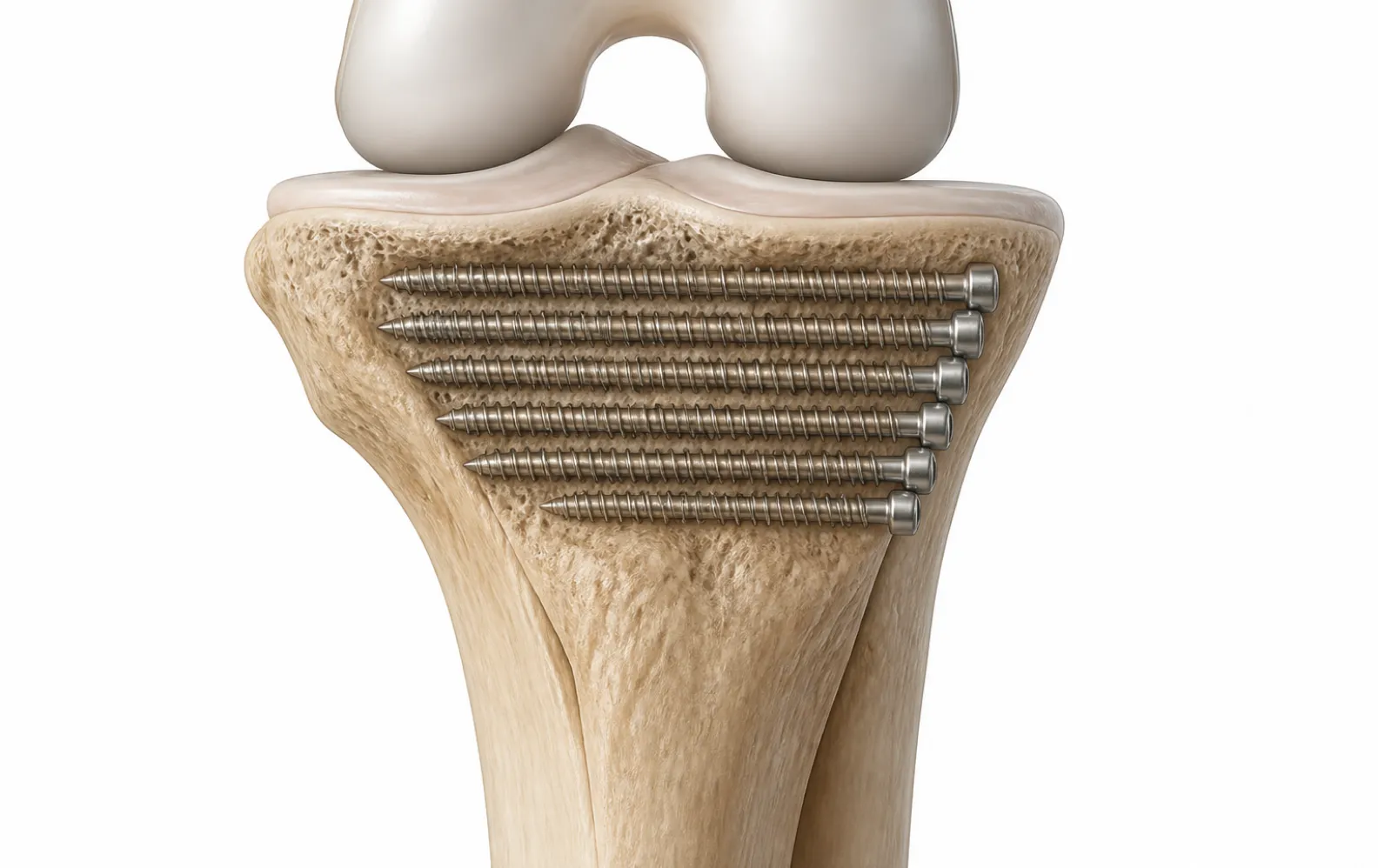
The Subchondral Raft Construct
Restoring a shattered tibial plateau requires rigid subchondral neutralization to prevent the articular surface from subsiding under axial joint reactive forces. This neutralization is accomplished through the raft construct—a specific arrangement of proximal locking screws engineered into the head of the periarticular plate.
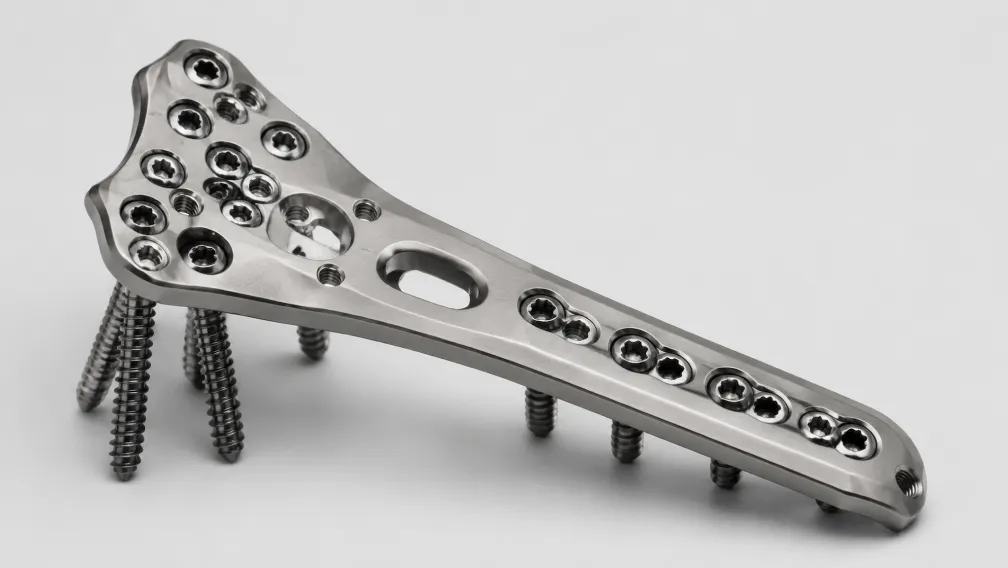
The proximal-most screw holes in the plate head are configured to project screws parallel to the joint line and parallel to each other. When inserted, these screws pass within millimeters beneath the articular cartilage, forming a dense, horizontal lattice of titanium or stainless steel. This subchondral raft physically blocks the depressed articular fragments from sinking back into the metaphysis when the patient eventually bears weight. The design matrix scales with patient anatomy: a 5.5mm lateral tibial plate utilizes three proximal rafting screws, whereas the 3.5mm lateral tibial plate utilizes four smaller-diameter screws to achieve the same subchondral support footprint. Both configurations prioritize maximum fragment capture and bi-cortical engagement across the entire width of the plateau.
Strut Screws and Three-Dimensional Triangulation
While rafting screws resist axial subsidence, the construct must also neutralize varus and valgus bending moments. In bicondylar fractures lacking medial cortical support, severe varus forces threaten to bend or break the plate at the metaphyseal-diaphyseal junction. Periarticular plates counteract this through the integration of oblique strut screws.
Positioned in the second row of the plate head, strut screws are engineered with an upward, proximal angulation. Instead of running parallel to the joint line, these screws drive diagonally from the lateral cortex up into the dense subchondral bone of the medial condyle. The maximum available screw length for the distal strut screw in the 5.5mm system reaches 80mm. This extreme length and upward trajectory create a rigid triangular truss within the bone. By triangulating the fixation, the construct distributes shear forces and bending moments away from the plate shaft and directly into the intact medial cortex, effectively preventing varus collapse even when severe medial comminution exists.
Locking Screw Geometry and Double-Lead Threads
The mechanical integrity of any fixed-angle scaffold relies entirely on the interface between the screw head and the plate hole. In poor-quality cancellous bone, standard cortical screws rely on friction to hold bone fragments against the plate; when that friction fails, the construct loosens. Locking screws eliminate this dependency. The threads on the screw head lock directly into the female threads of the plate hole, creating a rigid unit independent of bone density.
To prevent intraoperative complications such as cross-threading or cold-welding, modern bone plate and screws employ a double-lead thread geometry. The thread pitch machined into the head of the locking screw is exactly double the thread pitch of the screw shaft. This synchronization guarantees that the screw head advances into the plate hole at the exact same linear speed that the screw shaft penetrates the bone. The head and shaft travel uniformly, maximizing thread capture in the relatively thin profile of the plate and eliminating internal pre-stresses that could lead to hardware fatigue.
Additionally, because locking screws do not require compressive friction against the cortex, their thread profile is distinctly shallower than that of traditional cortical screws. A shallower thread allows for a substantially larger core diameter. In material mechanics, bending resistance scales to the fourth power of the core radius; therefore, the larger core diameter significantly increases the shear and bending strength of the screw, protecting against hardware failure under cyclic load.
Metallurgical Engineering: 22-13-5 Stainless Steel
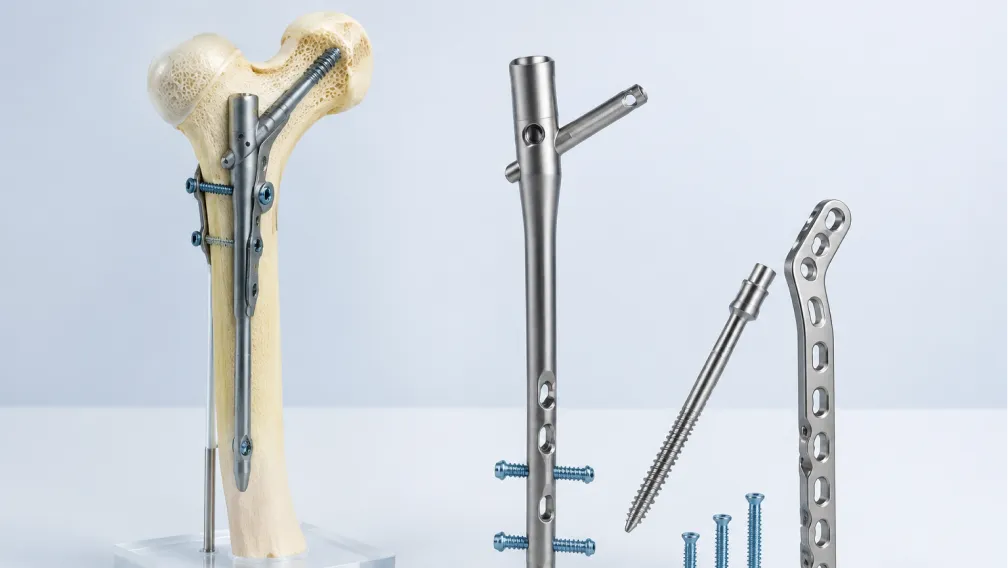
The transition from conventional plating to bridge plating alters how the implant carries load. A conventional plate shares load continuously with the compressed bone beneath it. A periarticular locking plate functioning as an extramedullary bridge bears the entire physiological load across the comminuted fracture gap until secondary bone healing occurs. This extended working length demands exceptional fatigue resistance.
Rather than relying on traditional 316L cold-worked stainless steel, advanced periarticular systems are forged from 22-13-5 stainless steel (ASTM F1314). This nitrogen-strengthened austenitic alloy provides superior yield strength, higher ultimate tensile strength, and greater resistance to pitting corrosion compared to 316L. By utilizing 22-13-5 steel, engineers can maintain the thin, low-profile design necessary for soft tissue closure over the proximal tibia while delivering the high fatigue limit required for prolonged weight-bearing.
Clinical Assembly and Sourcing Considerations
Surgical application follows strict mechanical sequencing. Articular reduction is achieved first, often utilizing provisional K-wires and independent lag screws. The lateral plate is then positioned submuscularly. If compression across the metaphyseal-diaphyseal junction is required, standard non-locking screws are placed through the dual compression slots to draw the shaft to the plate. Locking screws are inserted only after anatomical alignment is confirmed, as their insertion fixes the bone at its current distance and angle.
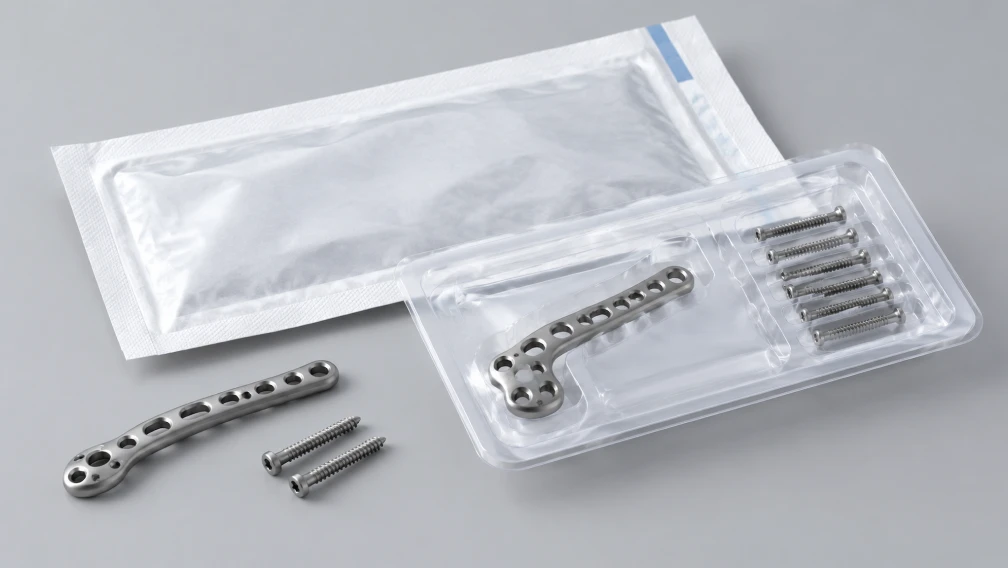
For hospital procurement departments and global distributors, the complexity of Schatzker IV-VI fractures dictates robust inventory management. Because fracture patterns vary widely in length and articular involvement, a facility must maintain immediate access to the full matrix of plate lengths (ranging from 4-hole to 14-hole variants) and the complete inventory of 3.5mm and 5.5mm screws. BoneCraft operates as an independent distributor of genuine trauma implants, supporting surgical networks with deep wholesale warehouse inventory. We isolate our clients from manufacturing delays and contract manufacturer allocation limits by holding finished, factory-documented tibia and fibula sets ready for dispatch. Strategic inventory staging ensures that trauma surgeons have the exact plate length and strut screw dimensions required when complex periarticular cases arrive.
-

BoneCraft Medical & Technical Editorial Team
Orthopedic Fixation Specialists
The BoneCraft Editorial Team comprises biomedical specialists and medical device supply chain experts. Dedicated to surgical transparency and technical precision, we publish insights on trauma plating, intramedullary fixation, and biomechanical implant performance. Our content synthesizes established surgical techniques, clinical literature, and exact specifications for genuine Zimmer Biomet orthopedic products to support global healthcare distributors and procurement teams.