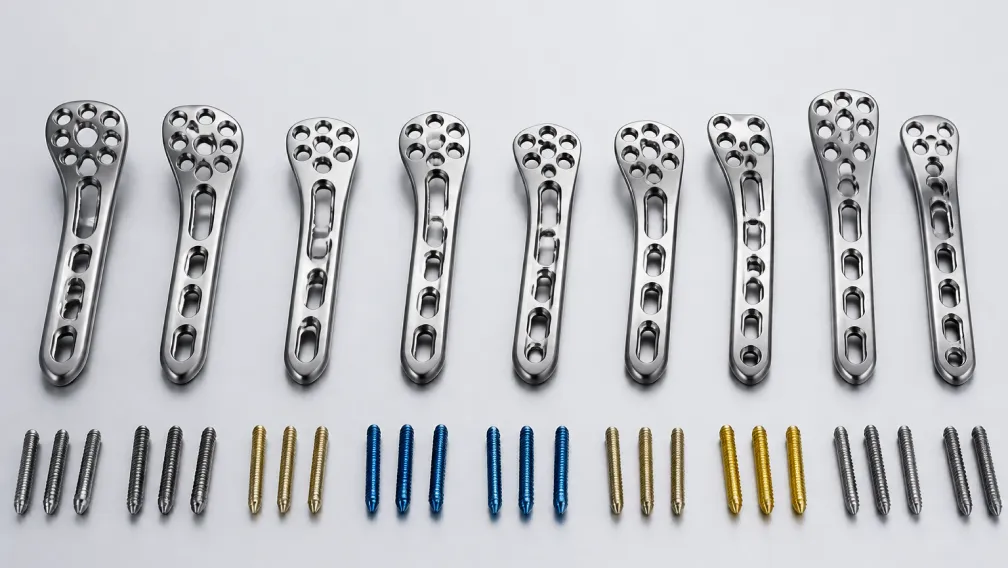
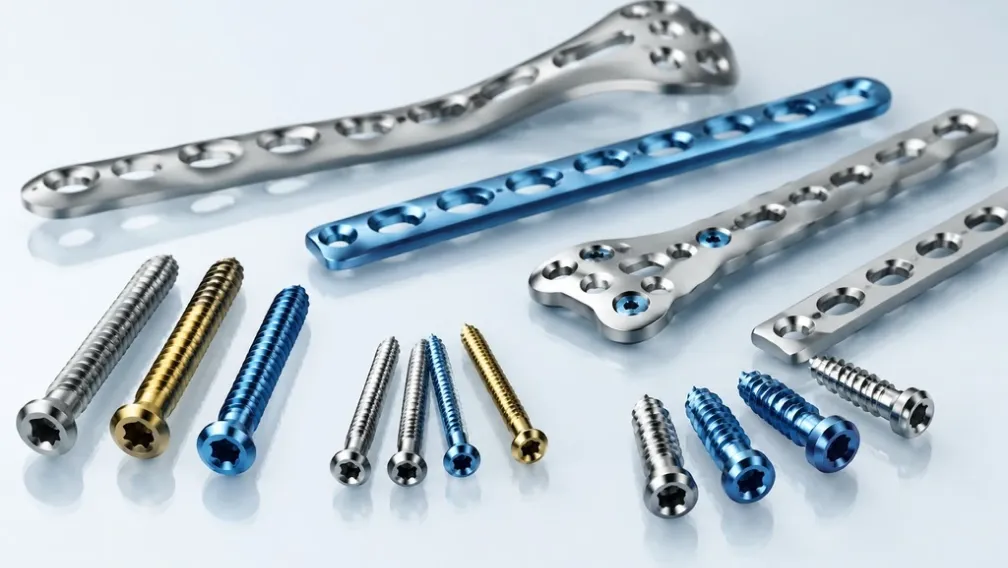
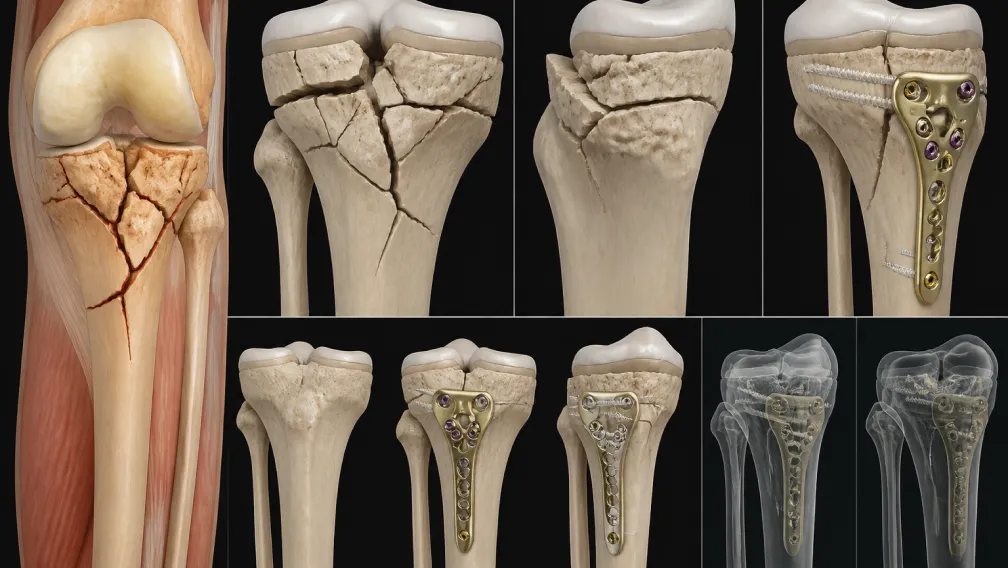
In the high-stakes environment of orthopedic trauma, the authenticity and sterility of implantable hardware are non-negotiable. For hospital procurement directors, central sterile supply departments (CSSDs), and international medical device distributors, sourcing trauma implants requires rigorous defense against counterfeit, gray-market, or improperly sterilized components. As global supply chains face backorders and allocation limits, buyers often turn to independent distribution channels. While independent stockists provide critical liquidity and rapid fulfillment for urgent surgical cases, identifying a compliant and verified Zimmer Biomet distributor is paramount. This guide details the essential regulatory markers, packaging standards, and documentation protocols required to verify 100% genuine orthopedic trauma implants, ensuring patient safety and institutional compliance.
The Risks of Gray-Market and Counterfeit Hardware
The proliferation of counterfeit or unauthorized medical devices poses catastrophic clinical and legal risks. Counterfeit implants often utilize inferior metallurgical alloys (e.g., standard industrial stainless steel instead of implant-grade 22-13-5 nitrogen-strengthened steel or ASTM F136 titanium). These substandard materials are highly susceptible to galvanic corrosion, premature cyclic fatigue, and catastrophic shear failure under physiological weight-bearing loads.
Furthermore, gray-market implants—genuine products diverted through unauthorized channels—often suffer from broken cold-chain logistics, expired sterility, or compromised packaging. Implants subjected to temperature fluctuations or humidity outside validated manufacturer tolerances can experience degradation of sterile barrier seals, leading to deep periprosthetic joint infections (PJIs). Hospitals integrating unverified hardware face immense liability, voided manufacturer warranties on mating instrumentation, and severe regulatory penalties.
Decoding Original Sterile Packaging (OSP)
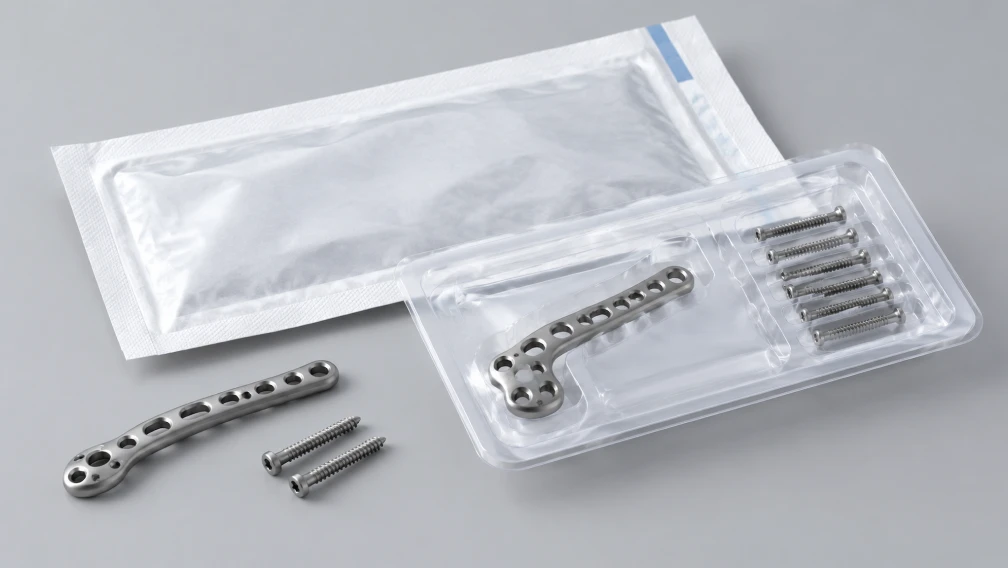
The first line of defense in verifying genuine orthopedic implants is a meticulous examination of the Original Sterile Packaging (OSP). Tier-1 manufacturers like Zimmer Biomet engineer their packaging systems to provide a definitive, tamper-evident barrier.
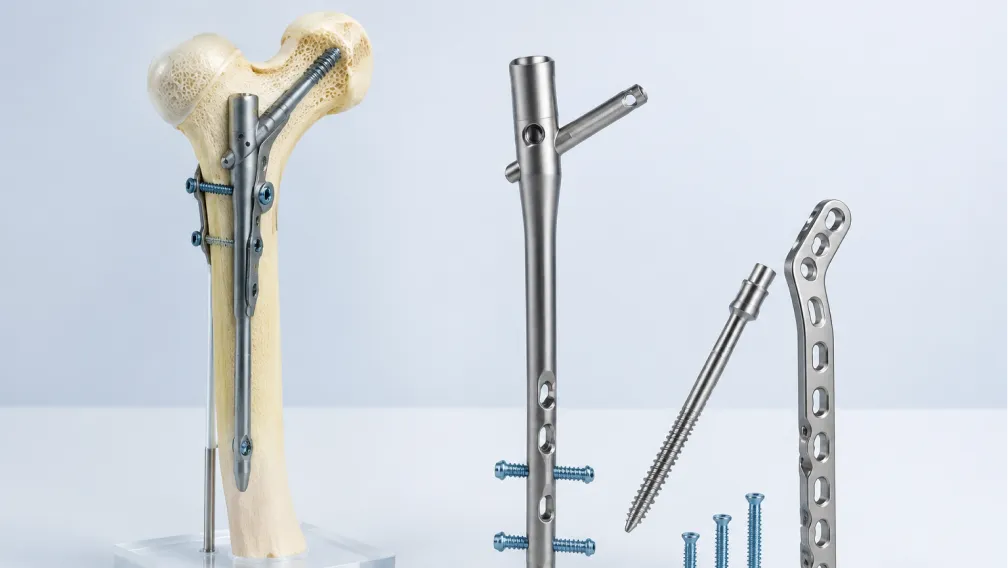
Genuine trauma implants, such as distal femur plates or intramedullary nails, are typically sealed within dual-layer protective systems. The inner layer usually consists of a rigid, thermoformed PETG (polyethylene terephthalate glycol) blister pack that physically immobilizes the implant to prevent puncture of the sterile barrier during transit. This blister is sealed with a medical-grade Tyvek® lid, which allows for permeation of the sterilant (e.g., Ethylene Oxide or Gamma irradiation) while maintaining an impenetrable microbial barrier.
When inspecting the packaging, procurement teams must verify the integrity of the chevron peel seal. A genuine seal is uniform, continuous, and free of channels, wrinkles, or partial delamination. Any signs of resealing, adhesive residue, or compromised Tyvek® fibers indicate immediate rejection. Additionally, genuine packaging incorporates chemical indicator dots (e.g., for Gamma irradiation or EO gas) that permanently change color upon successful exposure to the sterilization process. Absence of this indicator, or a failure to display the correct post-exposure color, invalidates the implant's sterile status.
The Anatomy of the Implant Label and UDI
Regulatory compliance in global medical device distribution is anchored by the Unique Device Identification (UDI) system. Genuine Zimmer Biomet implant labels are printed with high-resolution, smudge-proof thermal transfer technology and contain specific, highly regulated data fields.
A compliant label must clearly display the manufacturer's name and registered address, the exact product description, and the catalog/reference number (REF). Crucially, the label must feature a machine-readable UDI barcode (typically a GS1 DataMatrix or Code 128 format). This barcode encapsulates the Device Identifier (DI), which corresponds to the specific implant model, and the Production Identifier (PI), which includes dynamic manufacturing data.
The Production Identifier must contain:
- Lot Number (LOT): The alphanumeric code tracing the implant back to the specific raw material batch, forging process, and sterilization cycle.
- Expiration Date (EXP): Formatted strictly as YYYY-MM-DD. Implants sold without a clear expiration date, or with dates obscured by secondary stickers, are non-compliant.
- Sterilization Method: Indicated by standardized ISO symbols (e.g., 'STERILE R' for gamma irradiation or 'STERILE EO' for ethylene oxide).
- CE Mark / FDA Clearance: The CE mark must be accompanied by the four-digit identification number of the Notified Body responsible for auditing the manufacturer.
Lot Traceability and the Chain of Custody
Physical packaging is only half the verification equation; the documentation establishing the chain of custody is equally critical. For an implant to be legally utilized in a surgical theater, its journey from the OEM manufacturing facility to the hospital receiving dock must be unbroken and fully documented.
When sourcing from an independent distributor, buyers must demand complete lot traceability. Every commercial invoice and packing list generated by the distributor must explicitly list the catalog number (REF) and the corresponding Lot Number for every single screw, plate, and nail in the shipment. This itemized documentation is mandatory for hospital CSSDs to log the implants into their internal inventory management systems and, ultimately, into the patient's electronic medical record (EMR).
Furthermore, compliant distributors provide Certificates of Conformance (CoC) or Certificates of Origin upon request. These documents, originating from the manufacturer, verify that the specified Lot Numbers were manufactured according to validated ISO 13485 quality systems and cleared the designated sterilization protocols. A supplier unable to provide matching lot-level paperwork on a commercial invoice cannot guarantee the provenance or safety of the hardware.
Laser Etching and Direct Part Marking (DPM)
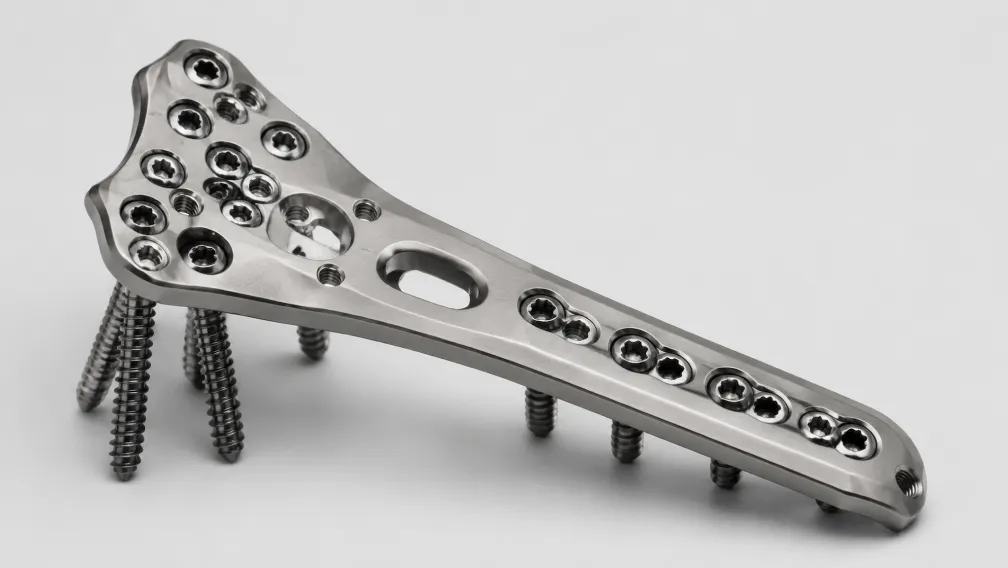
As a final verification step, surgical technicians and scrub nurses examine the implant itself. Genuine, high-quality trauma implants undergo precise Laser Direct Part Marking (DPM). The metal surface of a genuine cortical bone screw or anatomical locking plate is laser-etched with the manufacturer's logo, the specific catalog number, and the Lot Number.
This etching must be crisp, legible under operating room lighting, and resistant to repeated autoclave cycles (for non-sterile packaged items) or physiological fluids. Counterfeit implants often feature blurry, misaligned, or shallow mechanical engraving that degrades rapidly. The etched Lot Number on the physical implant must perfectly match the Lot Number printed on the sterile blister label and the distributor's packing list. Any discrepancy between the physical implant, the packaging, and the paperwork mandates immediate quarantine of the device.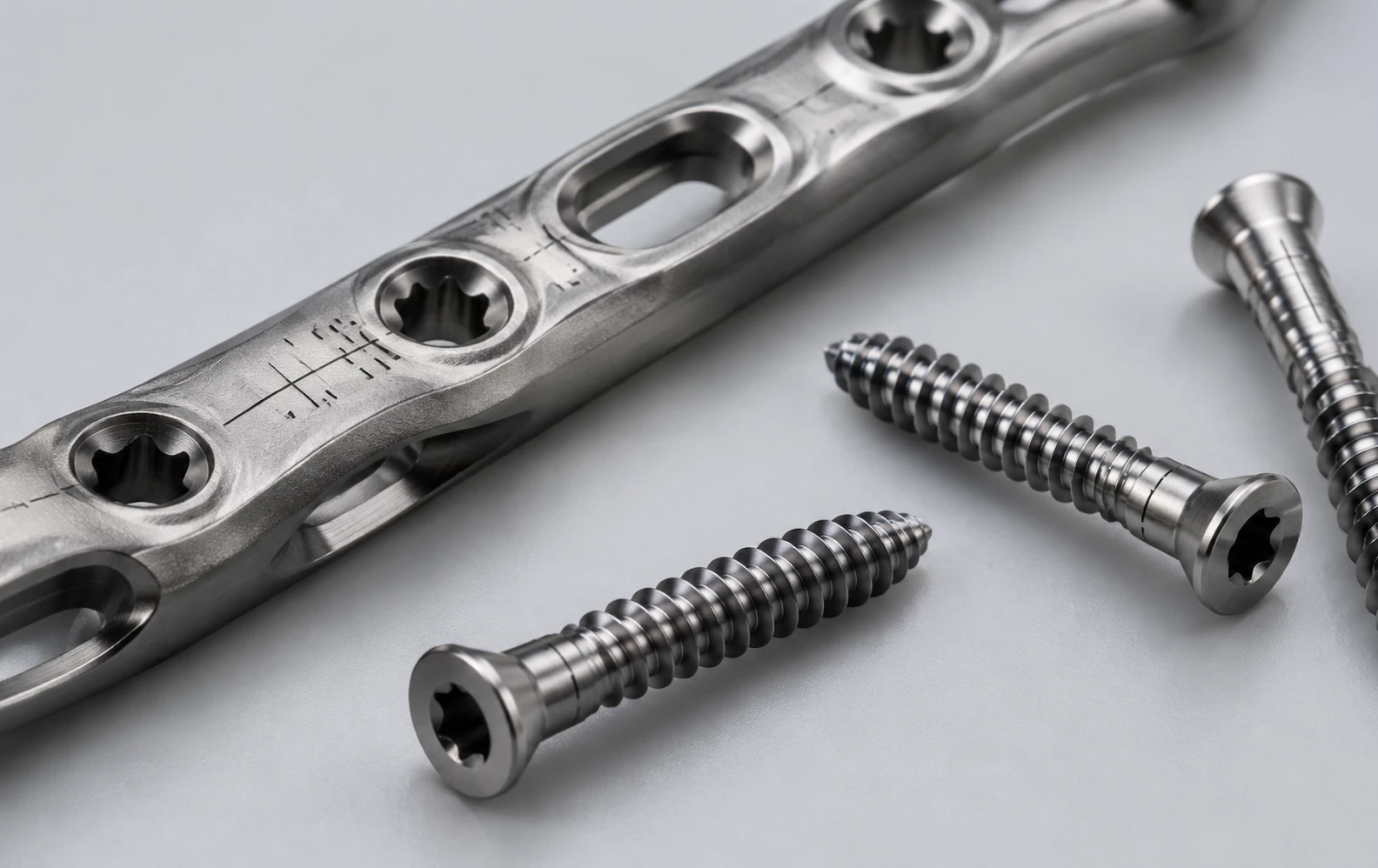
Strategic Sourcing with Verified Independent Distributors
In an era of unpredictable supply chain disruptions and extended OEM backorders, relying on a verified independent stockist is a vital strategy for maintaining trauma formulary readiness. However, this strategy is only viable if the distributor operates under rigorous quality assurance protocols that mirror OEM standards.
BoneCraft serves as a premier, independent global distributor of 100% genuine Zimmer Biomet trauma systems. We bridge the gap between manufacturer lead times and urgent hospital demand by maintaining deep, immediate-dispatch wholesale warehouse inventory. Every implant we supply—from complex periarticular plating systems to standard cortical and locking screws—is shipped in its original, factory-sealed sterile packaging.
We enforce strict compliance protocols: our export packing lists and commercial invoices provide comprehensive lot-level traceability for every SKU, seamlessly integrating into your hospital's compliance and EMR frameworks. We guarantee the authenticity, sterility, and chain of custody for every implant delivered. To review our current inventory availability, request lot documentation samples, or establish a verified supply channel for your trauma network, contact our commercial team at Sale@bone-craft.com.
Frequently Asked Questions
What is a UDI barcode and why is it essential for orthopedic implants?
The Unique Device Identification (UDI) is a standardized barcode system mandated by the FDA and European MDR. It consists of a Device Identifier (model/catalog number) and a Production Identifier (Lot number, expiration date, and manufacturing date). The UDI ensures global traceability, allowing hospitals to accurately log implants into patient records and rapidly respond to manufacturer recalls.
How can I tell if the sterile barrier of an implant package has been compromised?
Inspect the chevron peel seal connecting the Tyvek® lid to the rigid blister pack. The seal must be continuous, smooth, and free of wrinkles, channels, or adhesive residue. Additionally, check the chemical sterilization indicator dot on the label; if it is missing or has not changed to the correct post-sterilization color, the implant must be considered non-sterile and discarded.
Why is laser etching (Direct Part Marking) critical on bone plates and screws?
Laser Direct Part Marking (DPM) permanently etches the manufacturer's logo, catalog number, and Lot Number directly onto the metal surface of the implant. This ensures that even after the implant is removed from its packaging and placed on the sterile surgical field, the scrub tech and surgeon can verify its exact specifications and trace it back to the patient's operative record.
What documentation must an independent distributor provide to prove implant authenticity?
A compliant independent distributor must provide a detailed Packing List and Commercial Invoice that explicitly links the catalog number (REF) of every shipped item to its specific Lot Number. Upon request, they should also be able to supply Certificates of Conformance (CoC) originating from the manufacturer, validating the production and sterilization of those specific lots.
What are the risks of using gray-market trauma implants?
Gray-market implants are genuine products sold outside authorized channels, often resulting in a broken chain of custody. These implants may have been subjected to improper storage temperatures, compromising the sterile barrier. Using gray-market hardware exposes patients to severe infection risks, voids manufacturer warranties, and opens the hospital to massive legal and regulatory liability.
Does BoneCraft supply implants in their original manufacturer packaging?
Yes. BoneCraft is a verified independent distributor that supplies 100% genuine Zimmer Biomet trauma implants exclusively in their Original Sterile Packaging (OSP). We maintain strict cold-chain and storage compliance, and all shipments include full lot-level traceability documentation that meets FDA and CE regulatory standards for hospital procurement.
-

BoneCraft Medical & Technical Editorial Team
Orthopedic Fixation Specialists
The BoneCraft Editorial Team comprises biomedical specialists and medical device supply chain experts. Dedicated to surgical transparency and technical precision, we publish insights on trauma plating, intramedullary fixation, and biomechanical implant performance. Our content synthesizes established surgical techniques, clinical literature, and exact specifications for genuine Zimmer Biomet orthopedic products to support global healthcare distributors and procurement teams.